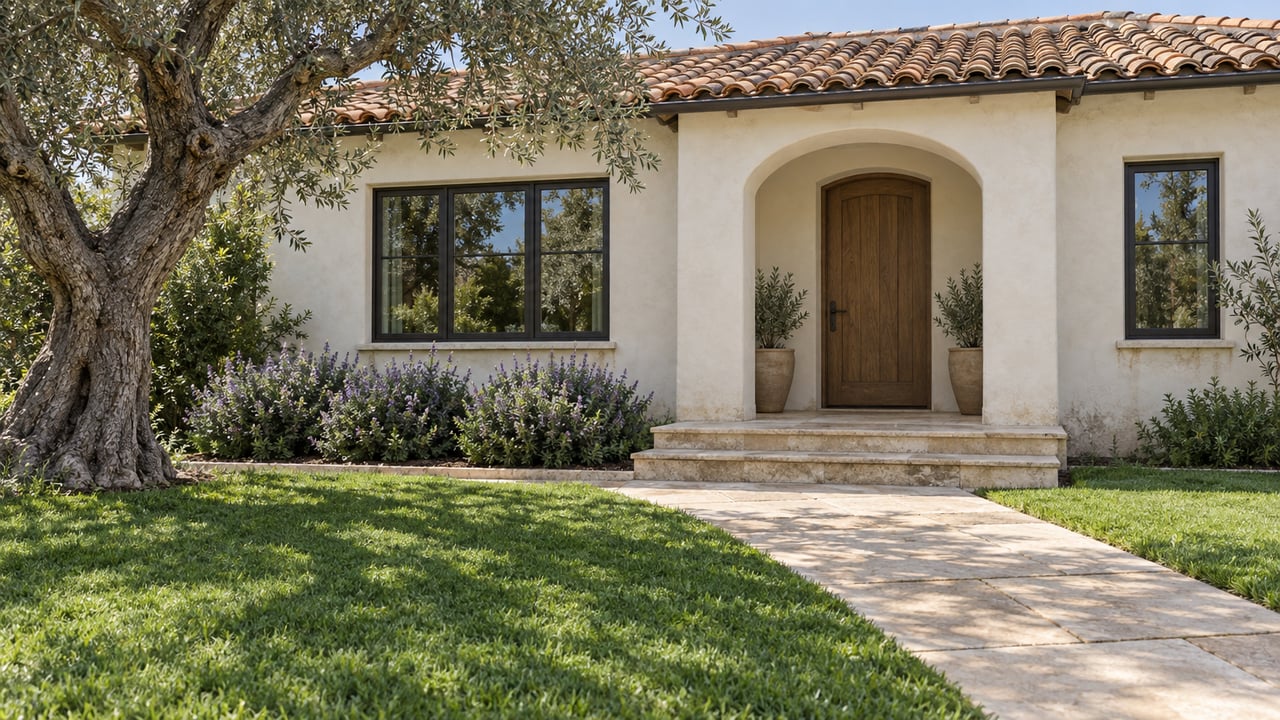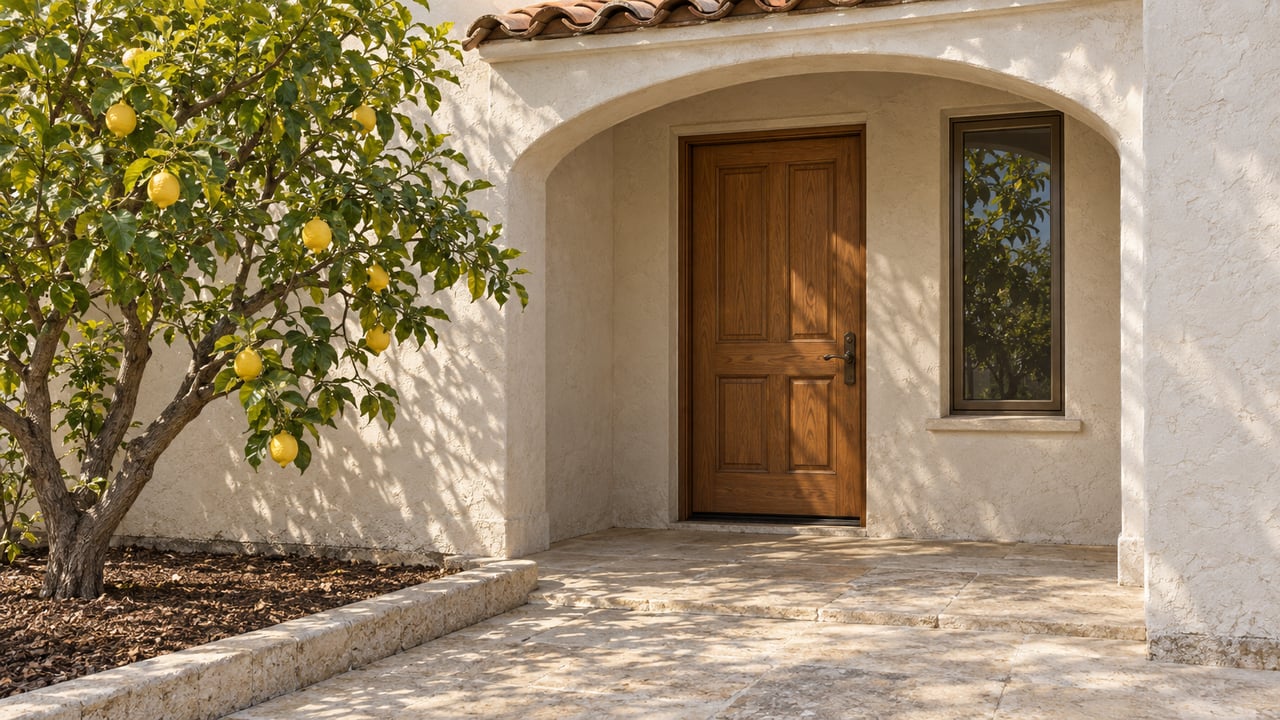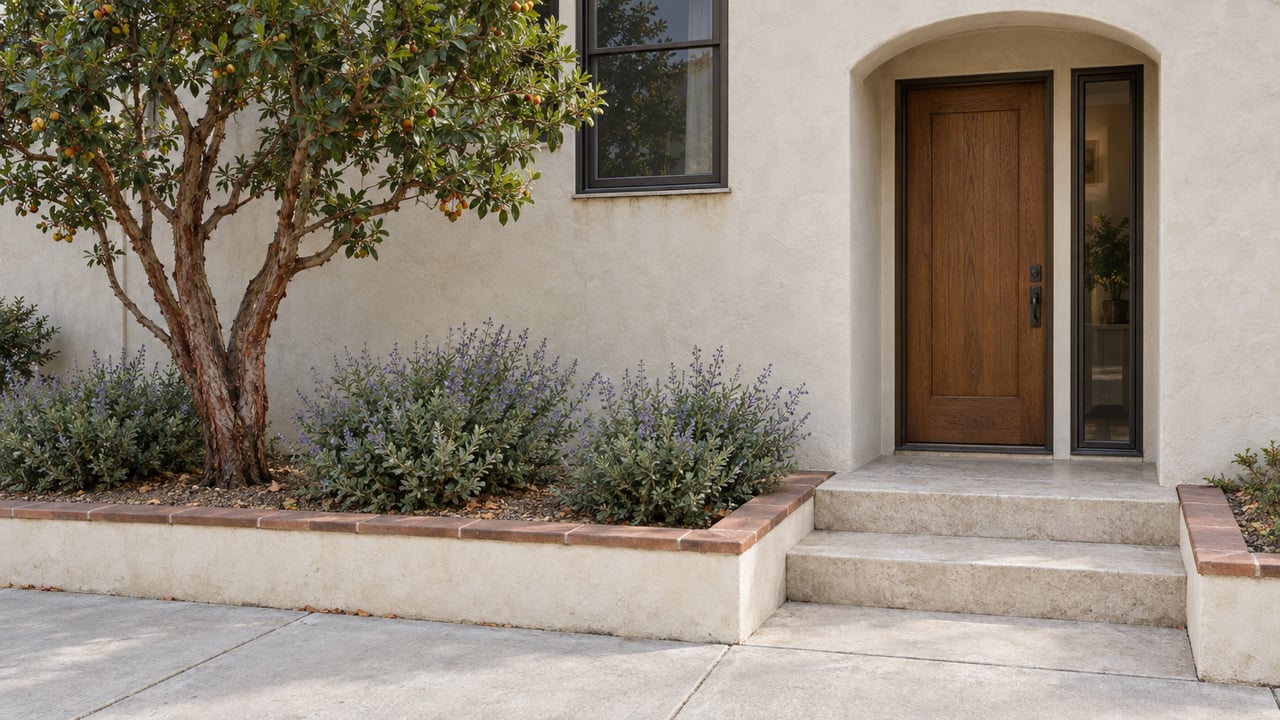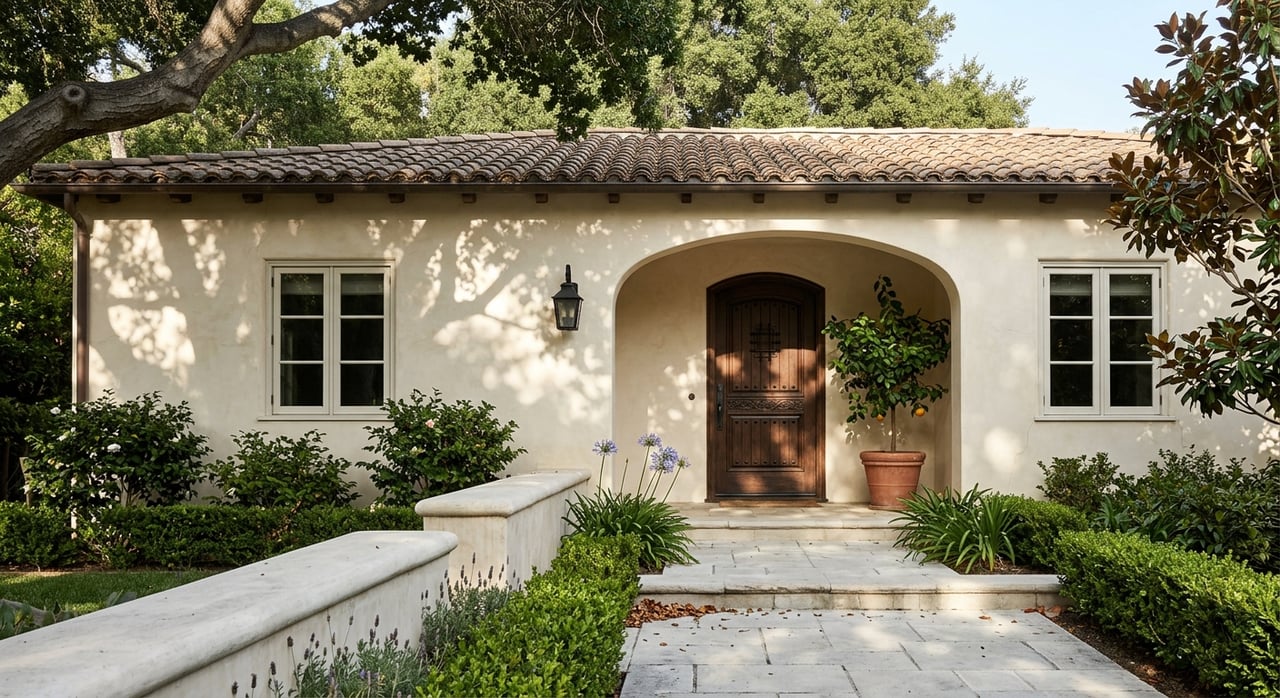
When you already own a home, buying your next one can feel more complex than your first purchase. In Pasadena and San Marino, that pressure gets even higher because both markets are competitive, timing matters, and many homes come with age, character, and renovation questions. If you are planning a move-up purchase, this guide will help you think through pricing, timing, inspections, and strategy so you can move forward with more confidence. Let’s dive in.
Why Pasadena and San Marino feel different
Pasadena and San Marino are close neighbors, but they often play very different roles in a move-up plan. In March 2026, Pasadena had a median sale price of about $1.253 million, while San Marino reached about $3.25 million. Homes in both cities sold above list on average, and San Marino moved faster at about 23 days compared with about 32 days in Pasadena.
That gap matters when you are deciding whether you are stretching into a higher price tier, staying flexible, or trying to balance your sale and purchase at the same time. Pasadena offers a broader and more mixed housing market, while San Marino often represents a more expensive move-up destination. If you are comparing the two, you need to think beyond square footage and focus on timing, monthly carrying costs, and your long-term fit.
Start with your current home strategy
Before you shop seriously, get clear on what your current home needs to do for your next purchase. The safest move-up plan usually starts with three questions: how fast your current home can sell, how much work your target home may need, and whether your financing or tax setup can bridge the gap.
This step matters even more in competitive markets where sellers may favor buyers with fewer conditions. If your current home sale is a key source of funds, your offer strategy on the next home needs to reflect that reality. A smart plan is not just about what you want to buy. It is also about what your existing home makes possible.
Know your usable equity
Your home equity is not the same as your purchase budget. You will want to account for your mortgage payoff, closing costs, moving costs, and any funds you want to keep in reserve for repairs or overlap.
That is especially important if you are moving into an older home in Pasadena or San Marino. The purchase price may only be the beginning. Inspection items, updates, and preservation-related work can quickly affect your true budget.
Decide whether to sell first or buy first
Selling first can reduce financial pressure and give you a cleaner offer profile. Buying first can help you avoid a rushed move, but it may require stronger cash flow or temporary financing.
There is no single right answer for every homeowner. The best choice depends on how much equity you have, how competitive the target property is, and whether you can comfortably carry more than one housing payment for a period of time.
Understand the timing challenge
Move-up buyers often face one big problem: your ideal next home may appear before your current home closes. In Pasadena and San Marino, where multiple-offer situations are common, that timing gap can make or break your plan.
Contingencies become very important here. A contingency is a condition that must be met for the deal to move forward, such as inspection or financing approval. In a fast market, some buyers waive contingencies, but that raises risk, especially when your move depends on the sale of another property or on loan approval.
Read the contingency language carefully
For move-up buyers, contingency wording is not just legal detail. It can affect whether your deposit is protected if financing falls through or if other required conditions are not met. In a competitive setting, you need to understand exactly what protections you are keeping and what risk you are taking on.
This is one reason planning early matters so much. If you already know your loan path, timeline, and comfort level, you can make stronger decisions when the right home appears.
When bridge financing may help
Bridge or swing financing can provide temporary funds while your current home is being sold. This can help if you need to buy before your sale closes, but it also adds underwriting and cash-flow pressure.
The core issue is simple: you need to be able to carry your current home, your new home, the bridge financing, and your other obligations. For some move-up buyers, that flexibility is worth it. For others, it creates too much strain and makes a sell-first plan the better fit.
Older homes change the budget
Both Pasadena and San Marino are mature communities with a large share of older housing stock. Pasadena reported that 53% of homes were built before 1960, and San Marino reported about 92% before 1960 in its plan data. That means older homes are not the exception in these markets. They are a major part of the value story.
For you as a buyer, that creates both opportunity and responsibility. Character, craftsmanship, and established settings can be appealing, but older homes often bring repair, safety, and upgrade questions that deserve close review.
Inspection items to prioritize
Older homes generally need more diligence because age can affect many systems at once. During escrow, buyers often focus on a few major categories:
- Foundation and crawl-space conditions
- Roof age and drainage
- Plumbing and electrical systems
- Heating and cooling performance
- Signs of deferred maintenance
- Window and door condition
- Moisture intrusion and wood damage
If you are planning renovations, your diligence list may expand even further. The more work you expect to do after closing, the more important it is to understand costs and timing before you remove contingencies.
Lead paint and asbestos can affect scope
In pre-1978 homes, lead-based paint is a known concern, and renovation work can create lead dust. If you are buying an older property with plans to repaint, remodel, or open walls, lead-safe practices may become part of the project planning.
Asbestos may also need attention when a home is being renovated or demolished where applicable rules apply. For move-up buyers, this matters because it can affect contractor scope, timeline, and cost earlier than expected.
Seismic issues deserve a closer look
California earthquake preparedness is part of practical due diligence, especially with older homes. A residential retrofit often includes bolting the house to its foundation and adding crawl-space bracing. Older houses can shift off their foundations during shaking, and hillside homes or homes with living space over a garage may be more vulnerable.
That does not mean you should avoid these homes. It means you should evaluate them clearly. If seismic work is needed, it should be part of your budget and negotiation strategy from the start.
Historic character can shape your choices
Historic character is a major reason buyers are drawn to certain homes in Pasadena and San Marino. It can also affect what you can change after you buy.
Pasadena has a well-established preservation program with more than 130 local landmark or historic-monument designations and six historic districts. Major alterations, additions, relocations, or demolitions in designated areas can require Certificate of Appropriateness review. Pasadena also offers Mills Act tax relief and uses the State Historical Building Code, which can allow reasonable alternatives to standard building and mechanical requirements for historic buildings.
San Marino adopted a local historic preservation ordinance in 2018. Its local landmark rules are governed by Chapter 23.18, and designated structures receive preservation design review. The city’s survey also identified many resources that appear eligible for local landmark listing, and properties with structures 50 years old or older may trigger a historic resource assessment requirement for new construction or additions.
What this means for move-up buyers
If you love a character home, think about more than curb appeal. You should also think about original materials, future renovation flexibility, permit review, and the cost of preserving historic details.
In these markets, pricing often reflects more than size and location. Architectural pedigree, lot position, original features, privacy, and long-term renovation flexibility can all shape value. A home with strong character may justify a premium for one buyer and feel too restrictive for another.
Geography affects value too
Pasadena and San Marino both sit against the backdrop of the San Gabriel Valley and nearby mountains. In practical terms, that can influence outlook, privacy, lot orientation, and how a home feels beyond its interior layout.
For move-up buyers, this matters because you may be paying for lifestyle features that are less obvious on paper. A lot position, hillside setting, or stronger sense of separation from neighboring homes can influence value just as much as an extra room or larger footprint.
Tax planning may matter for established owners
If you are 55 or older, severely disabled, or rebuilding after a qualifying wildfire or disaster event, California’s Prop 19 rules may allow you to transfer the taxable value of your principal residence to a replacement home anywhere in California if you are eligible. In higher-price areas like Pasadena and San Marino, that can significantly affect affordability.
This is one reason move-up planning should be more than a home search. Your tax position may influence whether you sell first, buy first, or use temporary financing to keep options open. For some homeowners, this can be as important as equity itself.
A practical move-up checklist
If you want a more organized path, focus on these steps first:
- Estimate your realistic net proceeds from your current home.
- Set a purchase budget that includes repairs, upgrades, and reserves.
- Decide whether you are more comfortable selling first or buying first.
- Review financing options if timing could overlap.
- Screen target homes for age, condition, and likely renovation needs.
- Check whether preservation rules may affect future changes.
- Build your offer strategy around both price and terms.
A move-up purchase in Pasadena or San Marino usually rewards preparation more than speed alone. When you know your numbers, your timing options, and the likely condition issues in older homes, you can act faster without guessing.
If you are weighing a move-up purchase, a sale, or a relocation within Southern California, GlobalPoint Relocation can help you build a practical plan that fits your timeline, budget, and next chapter.
FAQs
What makes a move-up purchase in Pasadena different from San Marino?
- Pasadena generally has a lower median sale price and a broader housing mix, while San Marino sits at a much higher price point and often moves faster, so your budget and offer strategy may need to change significantly.
What should buyers inspect in older Pasadena and San Marino homes?
- Buyers should pay close attention to foundation issues, crawl spaces, roofing, plumbing, electrical systems, deferred maintenance, possible lead-based paint in pre-1978 homes, asbestos concerns during renovation planning, and potential seismic retrofit needs.
How do historic rules affect homes in Pasadena and San Marino?
- Historic designation or review rules can affect additions, major alterations, demolition plans, and design review, so buyers should understand those limits before assuming a home can be changed freely.
Is bridge financing useful for a move-up buyer in Pasadena or San Marino?
- Bridge financing can help if you need to buy before your current home sells, but it only works well if you can comfortably carry the old home, new home, temporary financing, and other obligations.
Can Prop 19 help move-up or downsizing homeowners in Pasadena and San Marino?
- Eligible California homeowners may be able to transfer the taxable value of a principal residence to a replacement home anywhere in California, which can affect affordability and timing decisions.