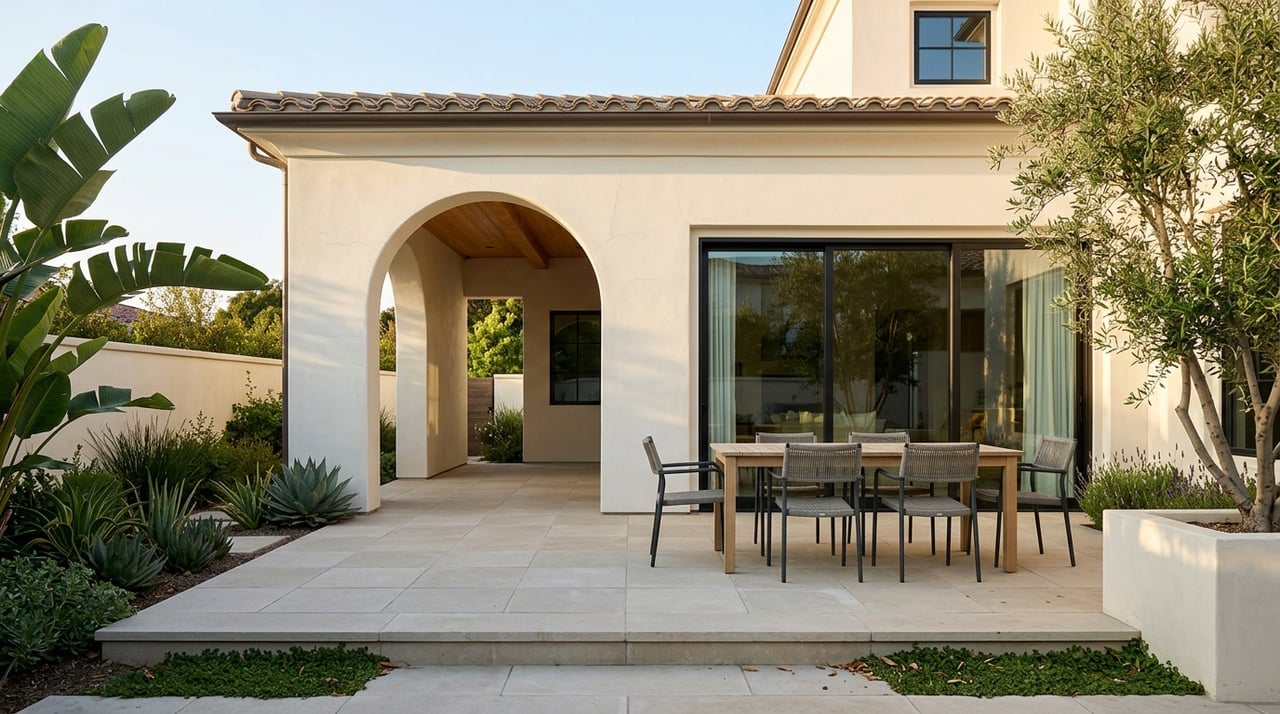
If you are wondering what day-to-day life really feels like on the Palos Verdes Peninsula, the short answer is this: it is scenic, residential, and shaped by the outdoors. You are not just choosing a home here. You are choosing hills, coastal views, open space, and a routine that often revolves around a few key village centers. If you are considering a move, this guide will help you picture the pace, patterns, and practical realities of living here. Let’s dive in.
A Residential Peninsula With Space
Everyday life on the Palos Verdes Peninsula feels different from denser parts of Los Angeles County. The area is defined by rolling terrain, ocean views, preserved land, and residential neighborhoods rather than a busy urban street grid. That creates a setting that often feels quieter, more spacious, and more connected to the landscape.
The Peninsula includes several distinct communities, and each one has its own feel. Palos Verdes Estates is known as a planned residential community with a strong open-space focus. Rancho Palos Verdes emphasizes scenic coastal views and preserved trails, while Rolling Hills Estates is known for open space and an equestrian character. Rolling Hills is described in state housing materials as a rural, equestrian residential community with one-acre-or-larger homesites.
That variety matters when you are comparing lifestyle fit. Some parts of the Peninsula lean strongly toward large-lot residential living, while other areas offer more convenience-oriented housing near commercial nodes. Overall, though, the area reads as residential first, with far less of an apartment-district feel than more urban coastal markets.
Housing Style Varies By Area
One of the most useful things to understand about the Peninsula is that it is not one-size-fits-all. Your daily experience can look different depending on which part of the Peninsula you choose. Even within a shared coastal setting, the mix of homes, streets, and nearby amenities can change noticeably.
Palos Verdes Estates planning materials focus on single-family residences and neighborhood compatibility. Rolling Hills Estates blends residential streets with parks and bridle paths. Rolling Hills is more estate-oriented, and Rancho Palos Verdes housing plans discuss townhome and mixed-use opportunities near commercial centers.
For you, that means home style and convenience often go hand in hand. If you want a more tucked-away residential setting, some Peninsula areas will likely feel like a better fit. If you want easier access to shopping and services, other parts may offer a more practical everyday setup.
Outdoor Living Is Part Of Daily Routine
On the Palos Verdes Peninsula, outdoor recreation is not just a weekend bonus. It is built into ordinary life. The natural setting encourages walking, hiking, scenic drives, and time outside in a way that shapes how many residents spend their free time.
In Palos Verdes Estates, recreation is largely self-guided, with passive parks, bluff-top trails, and beach access from Paseo del Mar. Rancho Palos Verdes adds a major nature preserve system with about 1,500 acres across 11 reserves, along with hiking, equestrian, and bicycle trails. Abalone Cove is another standout for beaches, tide pools, bluff-top views, and trails.
The scenery is a major draw, but it also comes with some practical planning. Rancho Palos Verdes carefully manages preserve parking and access, which reflects a common Peninsula theme: living near protected open space offers real lifestyle value, but it can also involve some logistics. If you like nature close to home, that tradeoff may feel well worth it.
Golf, Tennis, And Equestrian Life
The Peninsula also supports a lifestyle where recreation can become part of your normal weekly rhythm. Golf, tennis, and horse culture are not treated like rare extras here. In many ways, they are woven into the character of the area.
Palos Verdes Golf Club spans 213 acres overlooking the ocean and includes a restaurant open to the public. Palos Verdes Tennis Club has 12 courts, including 10 lighted courts. Rolling Hills Estates maintains 25 miles of scenic bridle trails and hosts equestrian activities throughout the year.
If you are looking for a place where leisure feels local rather than occasional, this is part of the appeal. You can picture a routine that includes a trail ride, a tennis match, or a round of golf without leaving the broader community setting.
Nature And Coastal Viewing
The Peninsula also offers quieter ways to enjoy the outdoors. Point Vicente Interpretive Center adds another layer to local life with exhibits on the area’s natural and cultural history. It is also known for whale watching from December through mid-May.
That kind of amenity helps define what everyday life feels like here. The Peninsula does not rely on one central entertainment district. Instead, much of its appeal comes from access to scenery, open air, and places that make the coastline part of your normal routine.
Errands Happen In Key Hubs
Daily life on the Peninsula is convenient, but it is organized differently than in a city with a traditional downtown. Instead of one main core, errands and services tend to cluster in a few established centers. That creates a pattern where you often drive to the places you need rather than walk between them.
Malaga Cove Plaza serves as a classic neighborhood business hub in Palos Verdes Estates. In Rancho Palos Verdes, major retail centers include Peninsula Center, Town & Country, Promenade at the Peninsula, and The Terraces at South Bay. These nodes help support everyday needs like shopping, coffee, dining, and appointments.
For many residents, this means a stop-and-go rhythm to the day. Your essentials are often nearby, but they are usually reached by car or a short local drive. That is a key lifestyle point for anyone relocating from a more walkable urban area.
Libraries And Community Events Add Rhythm
The Peninsula may be spread out geographically, but community life still has real structure. Civic spaces and local events help create a sense of connection across the area. This can be especially important if you are trying to understand whether the Peninsula feels isolated or engaged.
The Palos Verdes Library District is a strong example. It operates branches in Malaga Cove, Rolling Hills Estates, and Miraleste, and its programming includes book clubs, PV READS, and the Annual Community Art Show. That makes the library system more than a background amenity. It is part of how residents gather and participate in local life.
Annual events add to that neighborhood rhythm. Palos Verdes Estates hosts the Tree Lighting Ceremony and Santa Parade. Rolling Hills Estates lists events such as the Old-Fashioned City Celebration, the Hills Are Alive race, the Tracy Austin Doubles Tennis Tournament, and the Peninsula Holiday Parade.
Taken together, these activities help balance the Peninsula’s low-density layout. Even though homes and neighborhoods may feel more spread out, the calendar still offers familiar points of community connection throughout the year.
Getting Around Takes Planning
One of the most important practical realities of daily life on the Palos Verdes Peninsula is transportation. The area is connected, but it is still largely car-oriented. If you are moving here, that is something to factor into your routine from the start.
Transit options do exist. Metro Line 344 connects the Peninsula to the Harbor Gateway Transit Center via Hawthorne Boulevard. LADOT Commuter Express 448 runs from Rancho Palos Verdes, Lomita, Harbor City, Wilmington, and the Century Freeway corridor to Downtown Los Angeles.
For some commuters, those routes can make South Bay and Downtown trips more manageable. But in everyday terms, driving remains central for many households. Your route, departure time, and traffic conditions can matter as much as actual distance.
Timing Matters On The Peninsula
The Peninsula’s road network and village-style commercial layout make timing a real part of planning. Palos Verdes Estates notes timed parking and active enforcement in Malaga Cove and Lunada Bay. Rancho Palos Verdes also posts traffic alerts for lane closures on Palos Verdes Drive West.
That does not mean getting around is unusually difficult. It simply means that Peninsula life works best when you are realistic about how movement happens here. If you value space, views, and a more residential setting, planning around a few key corridors may feel like a fair trade.
What Everyday Life Feels Like Overall
So what is everyday life on the Palos Verdes Peninsula really like? In many ways, it feels calm, scenic, and intentionally residential. You are surrounded by open space, shaped by the coastline, and connected to a pattern of living that leans more toward trails, plazas, and neighborhood events than dense urban activity.
That lifestyle can be a great fit if you want room to breathe and a setting that supports outdoor routines. It can also work well if you are comfortable with a car-oriented daily pattern and prefer residential character over city intensity. The right match often comes down to how you want your days to feel, not just what kind of home you want to buy.
If you are comparing Peninsula neighborhoods, relocating within Southern California, or trying to balance lifestyle with commute needs, a broader local perspective can make the process much easier. GlobalPoint Relocation can help you evaluate home options, area fit, and move planning with clear, practical guidance.
FAQs
What is daily life like on the Palos Verdes Peninsula?
- Daily life on the Palos Verdes Peninsula is generally scenic, residential, and outdoor-oriented, with routines often centered around trails, parks, village-style shopping hubs, and local community events.
Is the Palos Verdes Peninsula walkable for errands?
- Most daily errands on the Palos Verdes Peninsula are concentrated in key centers like Malaga Cove Plaza, Peninsula Center, Town & Country, Promenade at the Peninsula, and The Terraces at South Bay, so many residents rely on a car or short local drive.
What outdoor activities are common on the Palos Verdes Peninsula?
- Common outdoor activities on the Palos Verdes Peninsula include hiking, biking, horseback riding, golf, tennis, beach visits, tide pooling, and seasonal whale watching at Point Vicente.
Are there community events on the Palos Verdes Peninsula?
- Yes, community events on the Palos Verdes Peninsula include traditions such as the Tree Lighting Ceremony, Santa Parade, Old-Fashioned City Celebration, Hills Are Alive race, Tracy Austin Doubles Tennis Tournament, and Peninsula Holiday Parade.
How do people commute from the Palos Verdes Peninsula?
- Commuting from the Palos Verdes Peninsula is typically car-oriented, though Metro Line 344 and LADOT Commuter Express 448 provide transit connections for some regional trips, including service toward Downtown Los Angeles.
Does the Palos Verdes Peninsula have different neighborhood feels?
- Yes, the Palos Verdes Peninsula includes a range of living environments, from estate-style and equestrian areas to more convenience-oriented locations near commercial centers, depending on the specific city and neighborhood.